



Lab Highlight: Dr. Val Fajardo at Brock University
About Dr. Fajardo

Dr. Val Fajardo
Associate Professor, Department of Kinesiology
Brock University
Recognitions
NSERC Tier II Canada Research Chair in Tissue Remodeling and Plasticity Throughout the Lifespan
Head of the Muscle Plasticity in Health and Disease Lab
Personal Interests / Hobbies
Father of 3 kids, husband, avid golfer (6.9 handicap) and Novice Basketball Head Coach
About the Lab
Established 2018
Skeletal muscle constitutes roughly 40–50% of mammalian body weight and plays a central role in movement, thermoregulation, and metabolic homeostasis. It exhibits remarkable plasticity, adapting to stimuli such as exercise, disuse, and environmental challenges like spaceflight through diverse cellular signalling pathways. These adaptations enable the muscle to fine-tune its energy demands, exemplifying physiological flexibility. The MPHD Lab investigates the molecular mechanisms underlying these processes, with a focus on calcium- and kinase-dependent pathways that regulate muscle performance, metabolism, and energy utilization.
A holder of the CIHR Tier II Canada Research Chair and one of Brock University’s ten Canada Research Chairs, Dr. Fajardo brings extensive expertise in muscle metabolism, calcium regulation, and muscle remodeling. His research explores muscle-wasting conditions such as muscular dystrophy, age-related sarcopenia, and the effects of microgravity on muscle health. By combining in-vitro cellular models and in-vivo animal studies, Dr. Fajardo’s team aims to identify novel therapeutic targets and develop innovative treatments for conditions like sarcopenia, cardiomyopathy, and other skeletal muscle diseases.
Lab Research Interests
- Muscle Remodeling in Health and Disease
- Calmodulin Regulation in Muscle
- Regulation of the Sarco(Endo)Plasmic Reticulum Ca2+-ATPase (SERCA) Pump
- Muscular Dystrophy
- Spaceflight-Induced Muscle Loss
- Aging, Obesity, and Diabetes
Lab Goals
Fundamental physiology
Our lab is deeply rooted in fundamental science, particularly in the discovery of proteins or pathways that regulate muscle plasticity and calcium regulation.
Survival of the fittest
Research consistently shows that individuals with higher levels of cardiorespiratory fitness tend to live longer, healthier lives, free from many chronic diseases. While regular physical activity remains the most effective way to enhance fitness, a large proportion of adults in Canada and around the world remain physically inactive. The emerging field of exercise mimetics aims to identify alternative strategies that can replicate the beneficial effects of exercise. Our lab seeks to uncover novel molecular mechanisms and develop innovative exercise mimetic approaches to promote health and longevity.
Resilience after stress
Early-life and chronic stress are known to contribute to long-term metabolic, cognitive, cardiovascular, and musculoskeletal disorders. Our lab aims to identify novel strategies to enhance muscle and metabolic health in models of physiological and psychological stress, ultimately promoting resilience and recovery.
From mdx to OVX – Investigating GSK3 inhibition
Our lab explores the therapeutic potential of glycogen synthase kinase 3 (GSK3) inhibition to improve muscle function and metabolic outcomes. We focus on both male-dominant conditions, such as Duchenne muscular dystrophy, and female-dominant conditions, such as menopause, to uncover mechanisms and translational strategies relevant across sex-specific disease contexts.
Enhancing muscle health and function in spaceflight and aging
Our lab investigates the therapeutic potential of inhibiting glycogen synthase kinase 3 (GSK3) to enhance muscle function and metabolic outcomes in models of aging and microgravity exposure.
Lab Members
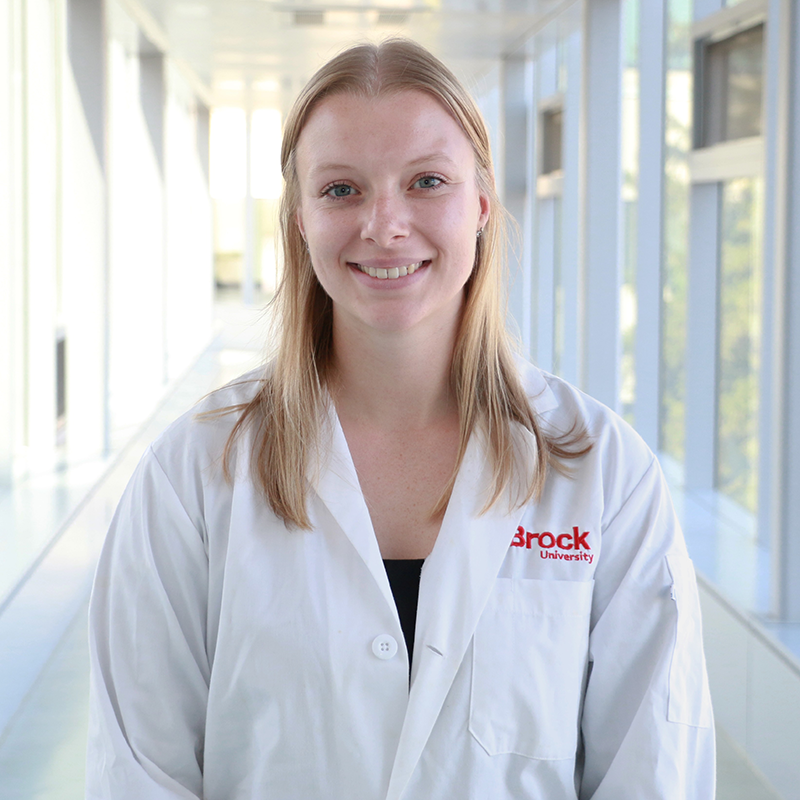
Emily N. Copeland
PhD Candidate
Education
BSc: Neuroscience from Brock University
MSc: Applied Health Sciences from Brock University
PhD Candidate: Applied Health Sciences at Brock University
Research Project Overview
NSERC-funded research explores how muscle wasting (i.e., muscular dystrophy and spaceflight) may increase Alzheimer’s disease risk.
Research Keywords
Duchenne muscular dystrophy, Alzheimer’s disease, spaceflight, muscle-to-brain connection.
Personal Interests / Hobbies
Avid reader, lover of yoga, golf (sometimes), and coffee. Emily can usually be found walking her 3-year-old border collie mix.
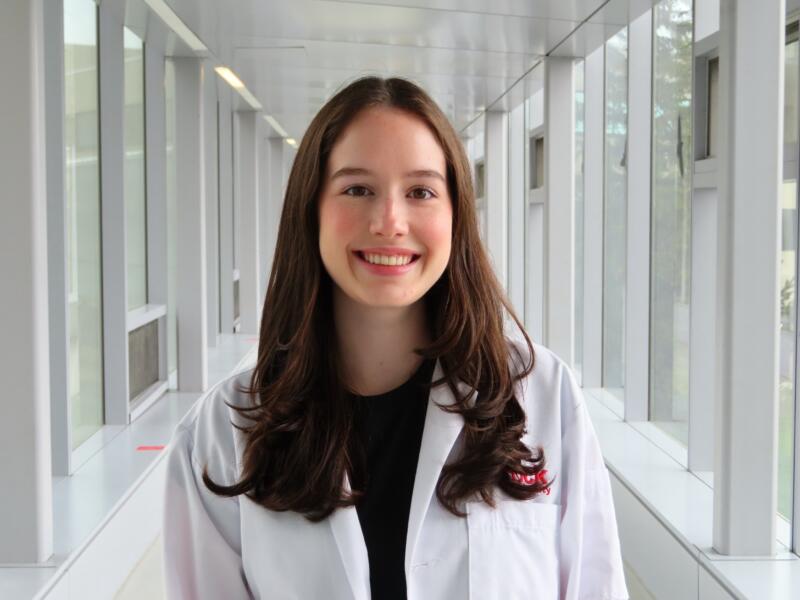
Amélie Marais
PhD Student
Education
BSc: Medical Sciences from Brock University
MSc: Applied Health Sciences from Brock University
PhD Student: Health Biosciences at Brock University
Research Project Overview
Current research focuses on lithium as an essential dietary nutrient and whether it is necessary for healthy muscle physiology.
Research Keywords
Skeletal muscle physiology, dietary lithium
Personal Interests / Hobbies
Outside of the lab, Amélie loves traveling, trying new foods, and sewing! You can also often find her reading a book or on the course trying to improve her golf swing.
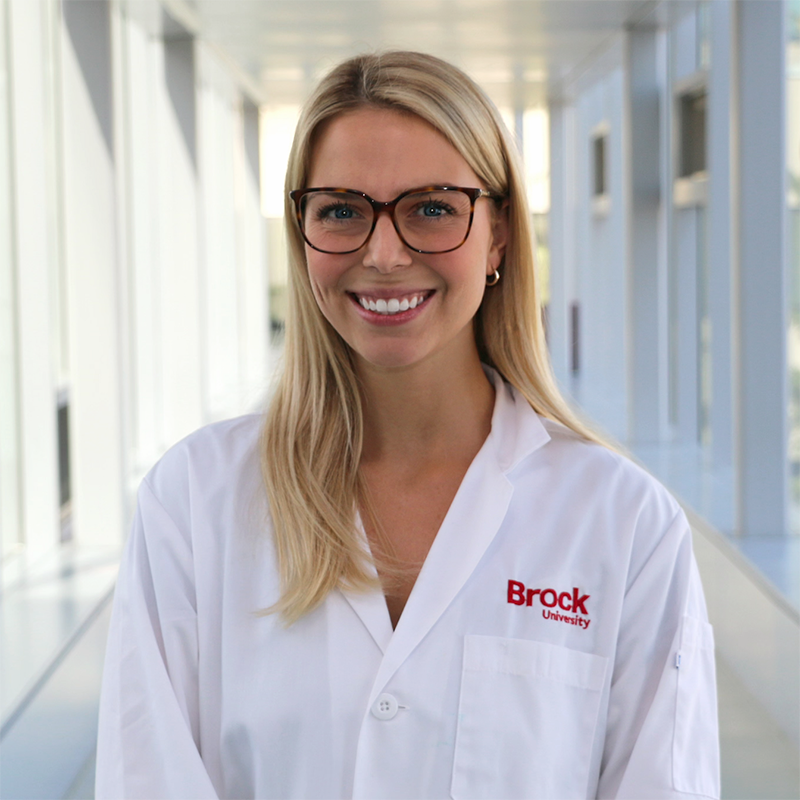
Briana Hockey
PhD Candidate
Education
BSc: Kinesiology from Brock University
MSc: Applied Health Sciences (Kinesiology) from Brock University
PhD Candidate: Health Biosciences at Brock University
Research Project Overview
Current research focuses on understanding the molecular mechanisms that regulate skeletal muscle plasticity and contractile function in response to exercise and disuse. Through this work, she aims to uncover therapeutic strategies to mitigate whole-body disuse under various conditions, including aging, disease, and spaceflight.
Research Keywords
Skeletal muscle physiology, spaceflight, disuse, exercise-mimetics, aging
Personal Interests / Hobbies
Outside of research, Briana enjoys hiking, running, playing hockey, and spending time with her family and twin babies.
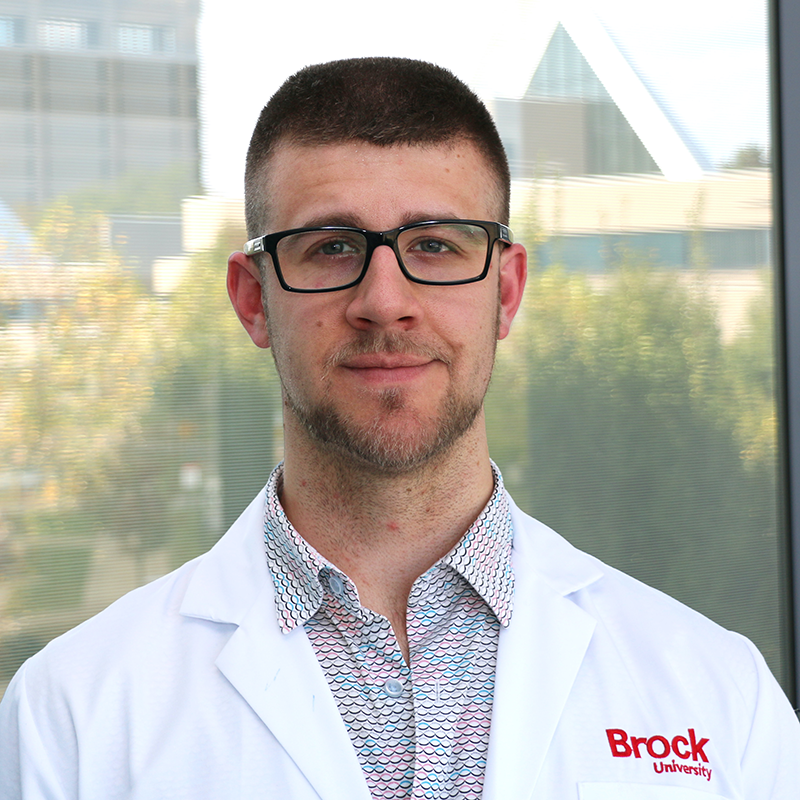
Luc Wasilewicz
PhD Candidate
Education
BSc: Neurobiology from Brock University
MSc: Neurobiology and Physiology from Brock University
PhD Candidate: Applied Health Sciences at Brock University
Research Project Overview
Current research focuses on the influence of housing temperature on skeletal/cardiac muscle physiology and function using a mouse model of muscle wasting. The goal of my research is to highlight the importance of housing temperature for research studies and explore potential therapeutic options to treat muscle wasting diseases, such as Duchenne Muscular Dystrophy.
Research Keywords
Duchenne Muscular Dystrophy, skeletal and cardiac muscle physiology, thermoneutrality
Personal Interests / Hobbies
Outside of the laboratory, Luc enjoys spending time with his wife, repairing clocks, reading, weight-lifting, and martial arts.
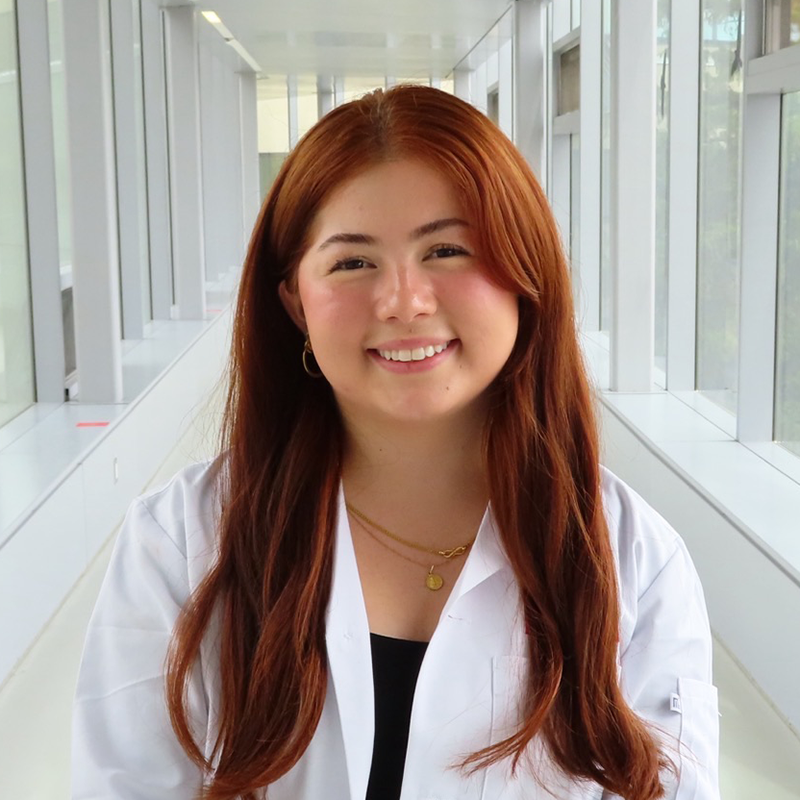
Evelyn Cardenas Ochoa
MSc Candidate
Education
BSc: Neuroscience from Brock University
MSc Candidate: Applied Health Sciences at Brock University
Research Project Overview
Current research studies whether lowering a muscle protein, GSK3, can help prevent muscle weakness and fatigue after menopause. I use a mouse model to understand how this change affects muscle performance, calcium control, and gene activity.
Research Keywords
Skeletal muscle physiology, exercise-mimetics, menopause, GSK3
Personal Interests / Hobbies
Outside of the lab, Evelyn enjoys traveling, hiking, and spending time with friends and family.
Equipment and Collaborations
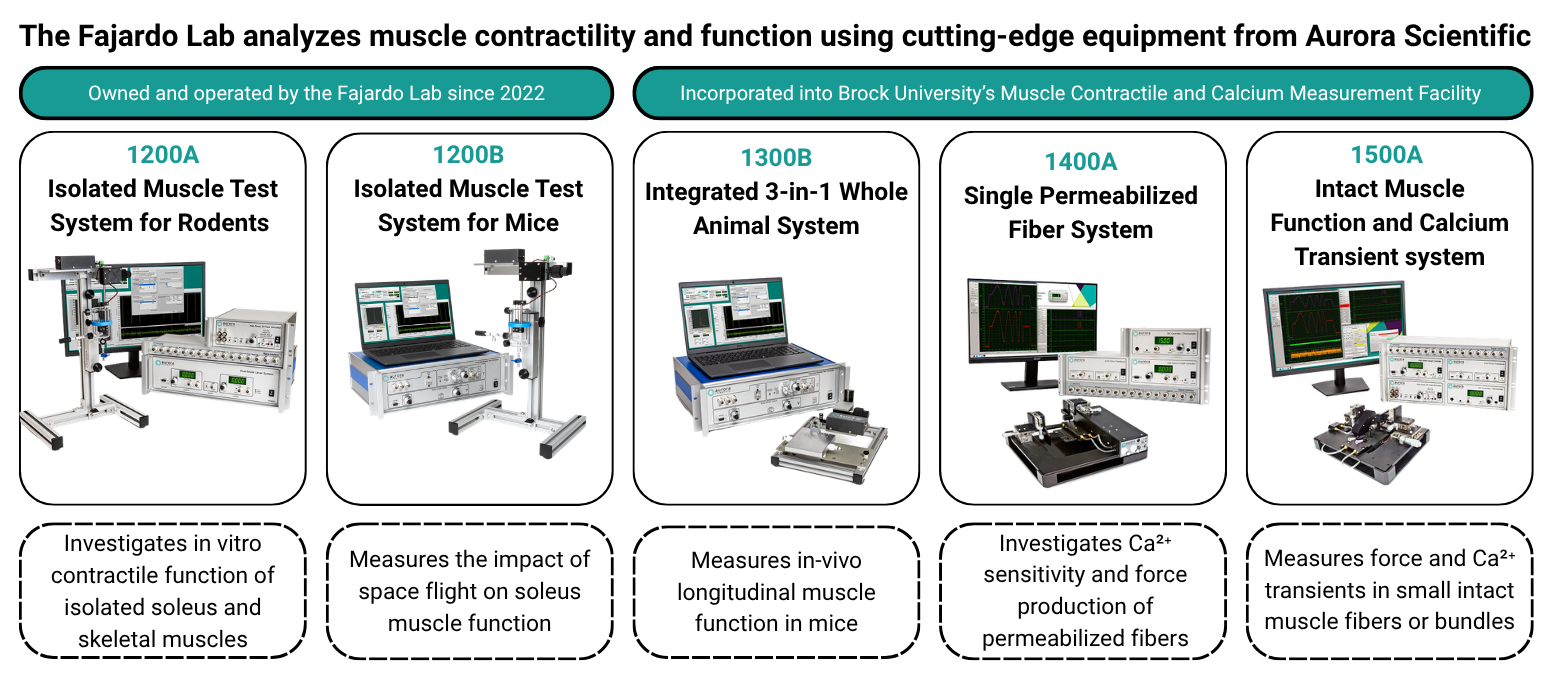
Since 2022, the Fajardo Lab has owned and operated the 1200A: Isolated Muscle Test System for Rodents.
In 2024, Dr. Fajardo and his team utilized the 1200B Isolated Muscle System for Mice to measure the impact of space flight on Soleus muscle function.
Recently, Dr. Fajardo in collaboration with Dr. Bill Gittings and Dr. Rene Vandenboom, received a CFI grant to support the establishment of a muscle contractile and calcium measurement Core Facility at Brock University. This grant has enabled Dr. Fajardo to incorporate a 1300B Whole Animal System, 1400A Single Permeabilized Fiber System and 1500A Intact Muscle Function and Calcium Transient System into this new core facility.
Publications and News
Featured Publications
Hong, X., Dalouchi, F., Prom, J.C., Ponte, M.E., Hockey, B.L., Braun, J.L. et al. Female reproductive dysfunction and transgenerational consequences following prolonged spaceflight exposure. PNAS 123 (27) (2026). https://doi.org/10.1073/pnas.2606092123
Marcella, B.M., Hockey, B.L., Braun, J.L. et al. GSK3 inhibition improves skeletal muscle function and whole-body metabolism in male mouse models of Duchenne muscular dystrophy. Nat Commun 15, 10210 (2024). https://doi.org/10.1038/s41467-024-53886-y
Amélie A.T. Marais, Ryan W. Baranowski, Jessica L. Braun, Briana L. Hockey, Val A. Fajardo, Targeting GSK3 to attenuate spaceflight-induced SERCA dysfunction: Lessons from hindlimb-suspended mice, Biochimica et Biophysica Acta (BBA) – Molecular Basis of Disease, Volume 1871, Issue 3, 2025, 167694, ISSN 0925-4439, https://doi.org/10.1016/j.bbadis.2025.167694.
Braun, J.L., Fajardo, V.A. Spaceflight increases sarcoplasmic reticulum Ca2+ leak and this cannot be counteracted with BuOE treatment. npj Microgravity 10, 78 (2024). https://doi.org/10.1038/s41526-024-00419-y
Briana L. Hockey, Jessica L. Braun, Rene Vandenboom, Paul J. LeBlanc, Rebecca E.K. MacPherson, Val A. Fajardo, Can the inhibition of glycogen synthase kinase 3 mimic the physiological effects of exercise on muscle and other organs?, Advanced Exercise and Health Science, Volume 2, Issue 2,
2025, Pages 108-120, ISSN 2950-273X, https://doi.org/10.1016/j.aehs.2025.06.001.
Briana L. Hockey, Michael S. Finch, Jessica L. Braun, Ahmad Mohammad, Lucas A. Maddalena, Rene Vandenboom, Jeffrey A. Stuart, Brian D. Roy, Rebecca E. K. MacPherson, and V. A. Fajardo. Characterizing the effects of muscle-specific GSK3α/β reduction on murine muscle contractility and metabolism in female mice. American Journal of Physiology-Cell Physiology 2024 326:3, C999-C1009 https://doi.org/10.1152/ajpcell.00398.2023
Related Resources
 Women’s Health Month: Strides in Muscle Physiology
May 28, 2024 | Publication Review
Learn more about recent female-focused muscle physiology research examining how menopause, ovarian hormone decline, and sex-specific biology influence muscle contractility, fatigue, and functional outcomes.

November 29, 2023 | Interview
Explore how Dr. Fajardo’s Lab used Aurora Scientific’s 1200B system to investigate how spaceflight affects skeletal muscle function in female mice from NASA’s RR-20 mission.
April 30, 2024 | Interview Follow-Up
Follow-up research from the Fajardo Lab reveals how spaceflight alters soleus muscle strength, fatigue resistance, and recovery in female mice.
Lab Life
Quotes heard around the Lab
“The lab is like muscle contraction, synchronized effort creates powerful results.”
“Do you golf?”
“UNO!”
Lab Initiatives
The MPHD lab has been actively volunteering and participating in the Walk & Roll for Muscular Dystrophy fundraiser for the past three years, supporting the community and raising awareness of muscular dystrophy
Events
Lab members recently attended the 52nd European Muscle Conference (EMC) and CSEP in 2025, sharing research findings, networking with peers, and staying up to date on advances in exercise and muscle physiology.
Celebrations
Congratulations to Dr. Jessica Braun for receiving her PhD this spring! She is now a postdoctoral fellow at the University of Copenhagen, Denmark!
Congratulations to Amelie Maris for completing her MSc and for continuing in the lab as a PhD Student!
NASA Project
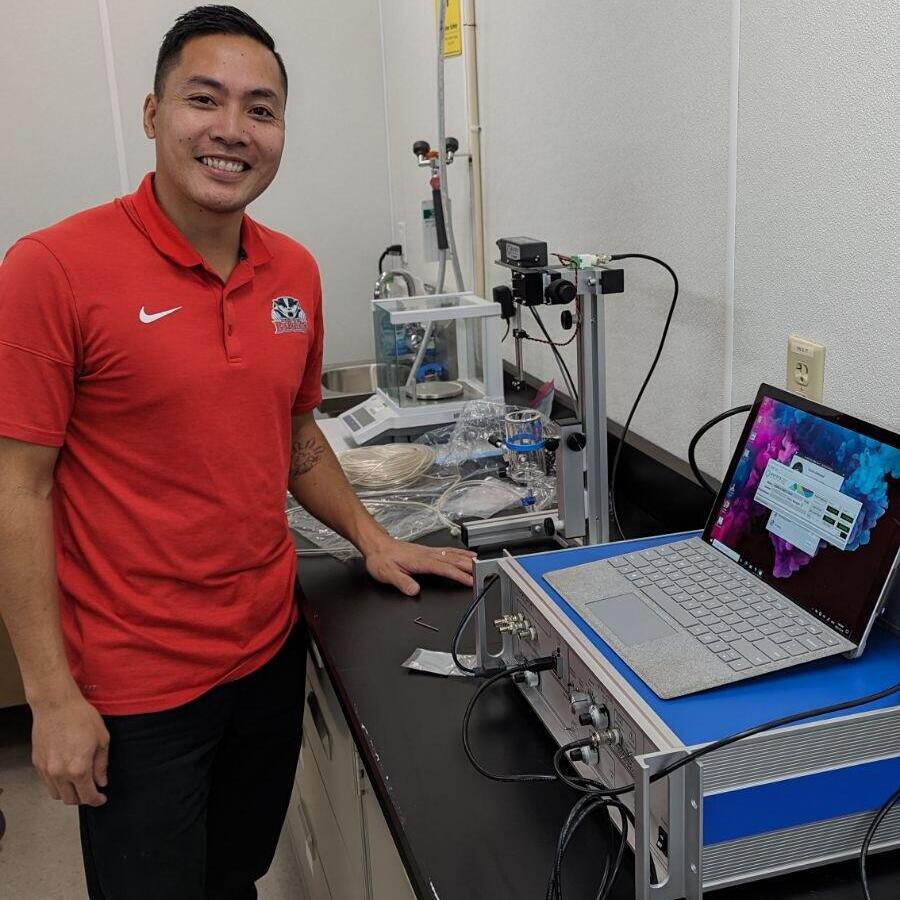
EMC 2025 – Amsterdam

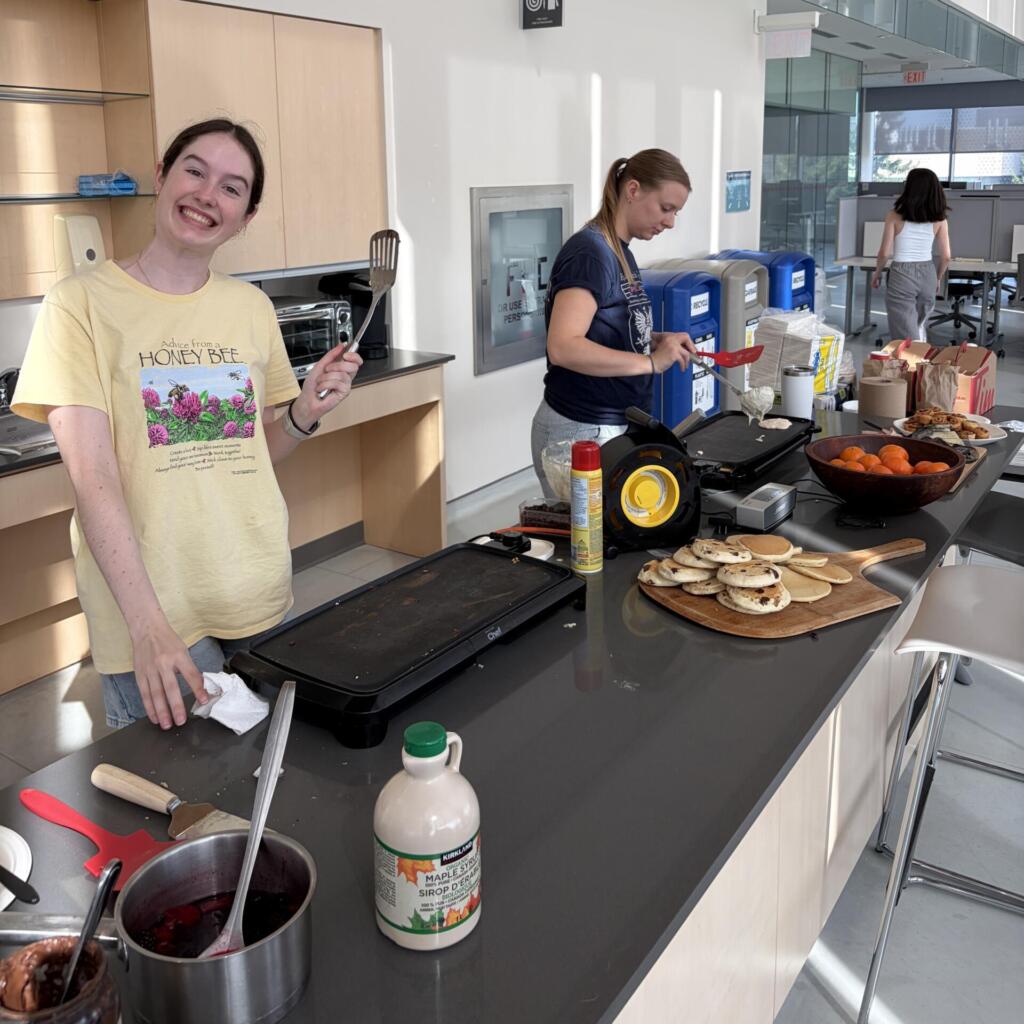
Pancake Appreciation Day
Interested in Joining the Fajardo Lab?
The Fajardo Lab is currently looking for graduate students, postdocs, research assistants, etc. They’re seeking passionate and energetic students who are eager to explore how muscle physiology can make a difference in managing chronic diseases and especially value those who are capable of thriving both independently and as part of a team.
If you’re interested, contact Dr. Fajardo with your resume, research interests, etc.