



Applications
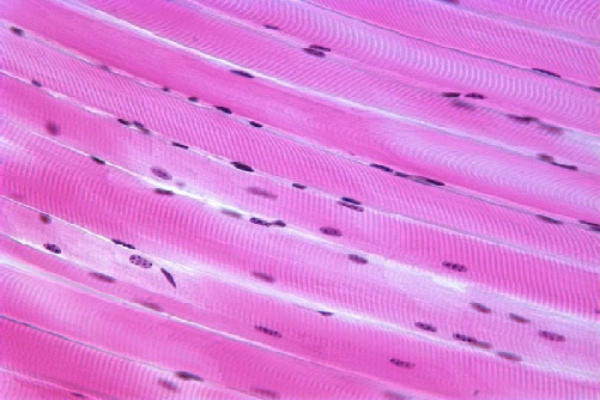
Aurora Scientific’s muscle physiology products are designed to test the force-length-velocity characteristics of all types of muscle ranging from myocytes to dog hind limb muscle. Our muscle physiology instruments include Dual-Mode levers, length controllers, force transducers, stimulators, data acquisition hardware and software and experimental apparatus. All of our products are sold individually or in complete systems. With our complete systems, muscle physiologists can precisely measure force, length, sarcomere length and ratiometric calcium. Our systems allow all standard muscle physiology protocols to be run, such as twitch, tetanus, fatigue, force-frequency, force-velocity, stiffness and work loops. In addition, our systems have the flexibility that allows the researcher to customize experimental protocols to meet their needs.
Neuroscience
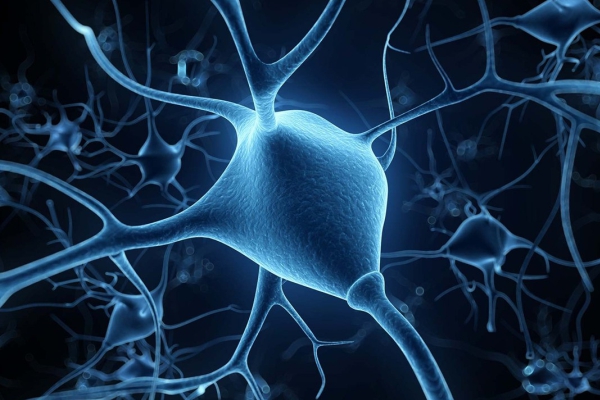
Aurora Scientific has developed innovative test systems used in olfactory research to validate odors presented to specimens and to track pheromone and plume dispersion. In addition, Aurora Scientific utilizes their Dual-Mode muscle levers as mechanical stimulators to provide a precise, controlled force output for use by researchers measuring neuronal response to touch, pain and stretch. Furthermore, many neurophysiologists study an interdisciplinary field of neuroscience and muscle physiology looking at neural activation and sensory feedback of muscle tissue. Aurora Scientific’s Dual-Mode levers aid in characterizing muscle mechanics in models of neural regeneration and disease.
Materials Science
Aurora Scientific’s unique Dual-Mode muscle lever aids a variety of researchers looking at materials such as MEMS, hydrogels, artificial muscle, nanowires and carbon fibers. Easily and accurately measure tensile strength, elasticity, detaching force, shear fracture and deformation of most materials with the control and measurement of both force and length. Other Aurora Scientific products useful in materials research include our line of high-speed length controllers and our ultra-low compliance, high-sensitivity force transducers.
Featured Content
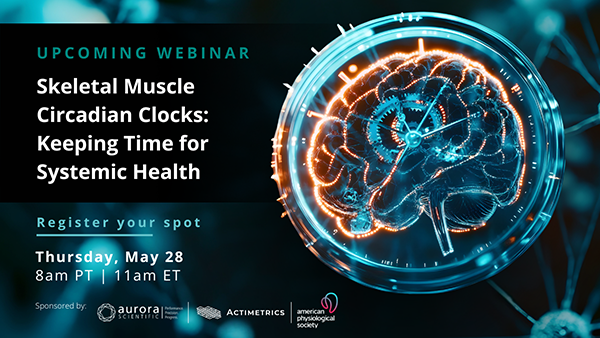
On Demand: Skeletal Muscle Circadian Clocks: Keeping Time for Systemic Health
Now available on demand! Dr. Karyn Esser presents the critical role of skeletal muscle circadian clocks in maintaining muscle strength, metabolic health, and systemic adaptations to endurance ...

Upcoming Webinar – Beyond Muscle Mass: What Murine Muscle Function Reveals
In this 1-hour webinar, we explore how direct measurements of skeletal muscle function can reveal the effects of disease, aging, exercise, and experimental interventions beyond what muscle mass, ...
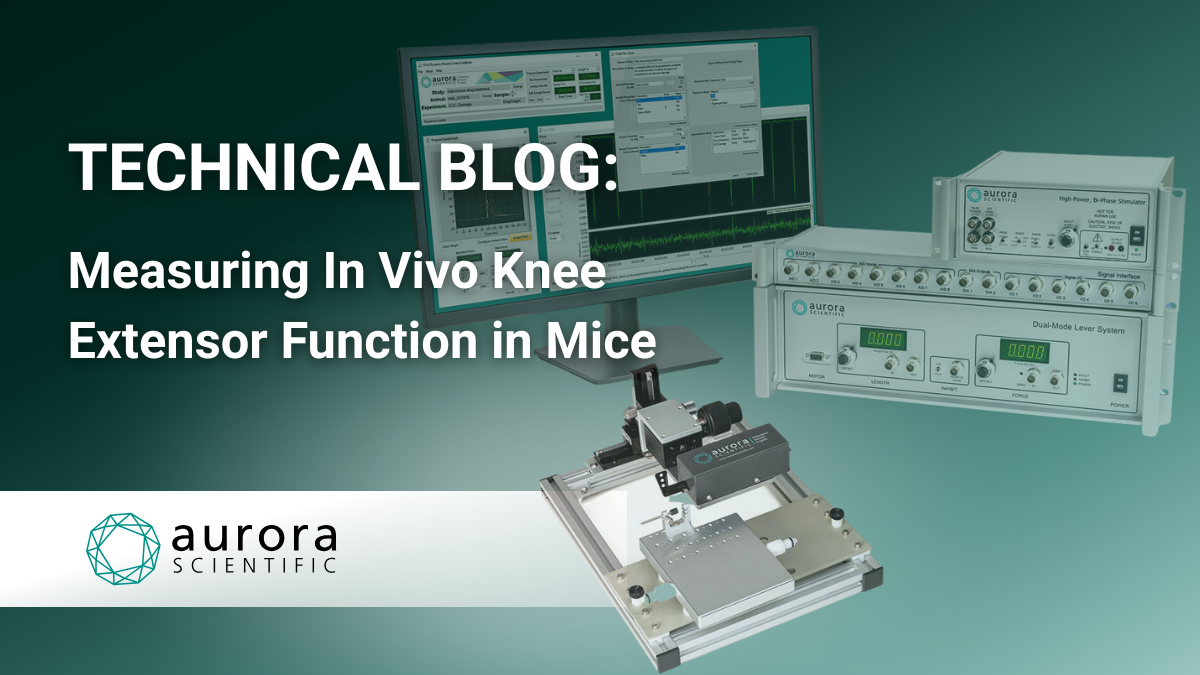
A Guide to Measuring In Vivo Knee Extensor Function in Mice
This blog provides a guide on performing in-vivo measurements of mouse knee extensor function using our 1300A 3-in-1 Whole Animal System for ...
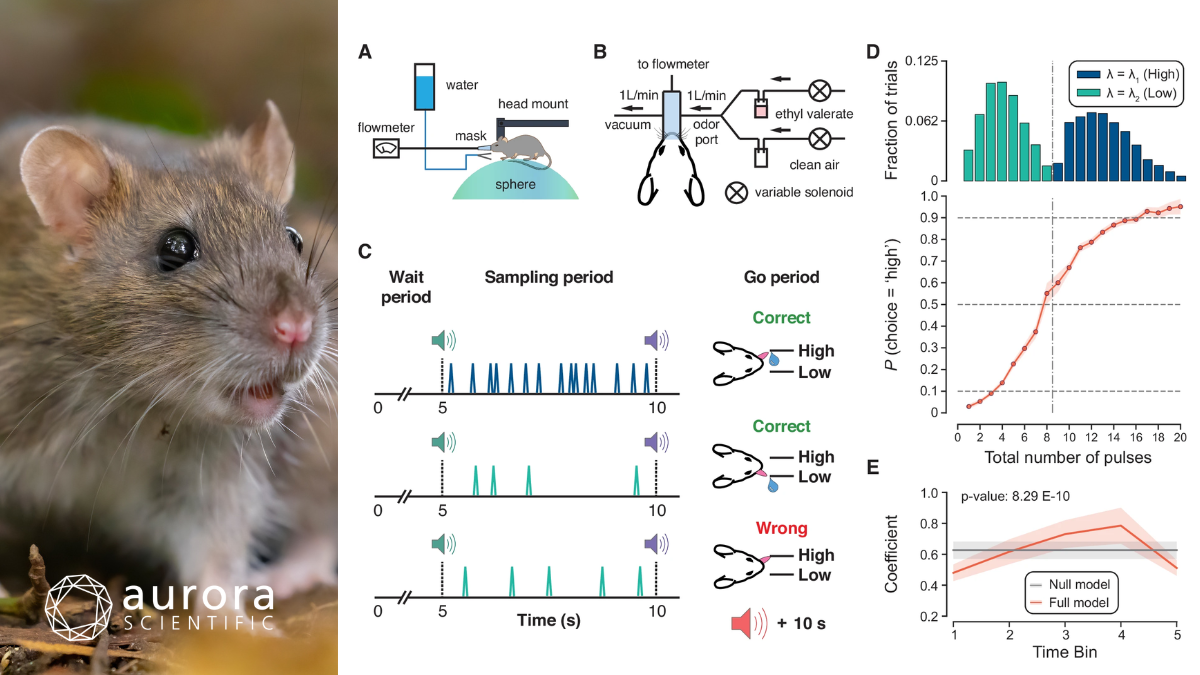
Perception and Discrimination of Odor Stimuli
Explore new olfaction research showing how mice and dogs use the timing of odor cues to detect, discriminate, and navigate complex scent ...
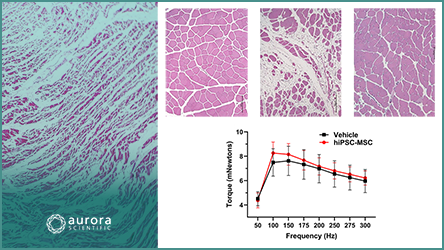
Pumped Up: Advances in Cardiovascular Research
As many cardiologists and physiologists attended the American Heart Associations BCVS meeting this July, our review highlights the latest advances in cardiovascular and metabolic disease ...
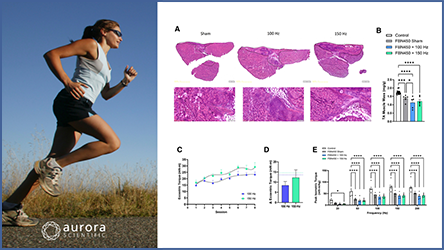
Exercise Science: A Force of Nature
With our attendance at the 20th International Biochemistry of Exercise Conference (IBEC), we’re excited to spotlight the latest in exercise research. From volumetric muscle loss and dystrophic ...